
5G in Retail: From Connectivity to Intelligence
Retail has always depended on connectivity, but the role of the network is changing. A store network used to be a utility: it kept the point-of-sale system online, connected a few back-office devices, and gave staff a way to access cloud systems. With 5G, that network becomes part of the operating model. It can support real-time analytics, edge AI, computer vision, digital signage, inventory sensors, mobile POS, and automated alerts across every location.
The important shift is not only faster internet. It is the move from basic connectivity to intelligent store infrastructure.
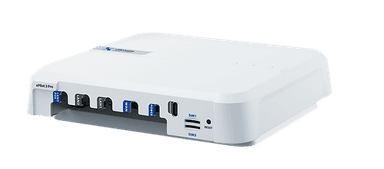
xPilot 3 Pro
Dual-SIM unified gateway with 5G auto-failover, Wi-Fi 6 AP capability, and remote device management
Learn More →Why Retail Connectivity Is Under Pressure
Modern retail stores run on more connected systems than ever before. A single location may depend on POS terminals, payment devices, Wi-Fi access points, CCTV, people-counting cameras, digital shelf labels, queue analytics, inventory scanners, temperature sensors, and customer-facing displays. For multi-store operators, every device also needs to be monitored, secured, updated, and supported remotely.
Traditional broadband was not designed for this level of operational dependency. When the primary line fails, the impact is immediate: checkout slows down, payments fail, inventory updates stop syncing, and analytics tools lose visibility. Even a short outage during peak hours can create lost sales, staff frustration, and poor customer experience.
5G gives retailers a practical way to add resilience and capacity without waiting for new fixed-line infrastructure. It can act as automatic failover when broadband drops, a primary connection for pop-up stores, or a high-bandwidth link for locations that need rapid deployment.
From Backup Link to Business Layer
The first use case for 5G in retail is straightforward: keep the store online. A 5G gateway can monitor the primary broadband connection and switch traffic to cellular when service degrades. For retailers, this is valuable because store downtime is rarely just an IT issue. It affects revenue, operations, and brand trust.
But the bigger opportunity comes when 5G is treated as part of the broader store technology stack. With enough bandwidth and low enough latency, stores can support more intelligent systems at the edge:
- Real-time shopper traffic measurement
- Queue and dwell-time analytics
- Smart replenishment signals
- Digital signage updates
- Connected refrigeration and equipment monitoring
- Remote diagnostics for store devices
- Secure segmentation for POS, staff, guest Wi-Fi, and IoT systems
In this model, connectivity is no longer passive. It becomes the foundation for decisions.
Edge AI Needs Reliable Networks
Retail AI is moving closer to the store. Instead of sending video and sensor data to the cloud for processing, edge AI systems can analyze activity locally and send only the results. This improves privacy, reduces bandwidth costs, and allows faster responses.
For example, a people-counting camera can process video on-device and send anonymous footfall data to a dashboard. A queue analytics system can alert staff when checkout congestion builds. A temperature sensor can notify operations when a refrigerator starts drifting outside its safe range.
These systems still need reliable connectivity. They need to send alerts, synchronize data, receive configuration updates, and report health status. If the network is unreliable, the intelligence layer becomes inconsistent. This is where 5G, edge gateways, and centralized device management work together.
What 5G Makes Possible In-Store
5G is especially useful where retailers need flexibility. New store openings, mall kiosks, seasonal pop-ups, and temporary event retail often move faster than fixed-line provisioning. A 5G-enabled gateway can bring a location online quickly, then remain as failover once the fixed line is ready.
It also helps with high-bandwidth use cases. Stores that use rich media signage, cloud-managed cameras, live dashboards, or multiple connected endpoints can quickly outgrow basic connectivity. 5G provides an additional path for capacity and redundancy.
The most valuable deployments are not built around 5G alone. They combine 5G with smart routing, SD-WAN, edge processing, device monitoring, and cloud visibility. Retailers need to know not just whether a store is connected, but which devices are online, which applications are affected, and whether action is required.
The Multi-Store Challenge
For a single store, a 5G router can solve a narrow connectivity problem. For a chain, the challenge is operational scale.
IT teams need to answer questions quickly:
- Which stores are offline or degraded?
- Which devices are causing trouble?
- Did failover activate successfully?
- Are POS terminals prioritized over guest Wi-Fi?
- Are cameras, sensors, and gateways reporting normally?
- Which locations need technician visits?
Without centralized management, every outage becomes a manual investigation. Store staff call support, IT checks multiple portals, vendors blame each other, and the issue takes longer than it should.
The future of 5G in retail is therefore not only about radio access. It is about unified visibility. Retailers need a single view of connectivity, device health, shopper intelligence, and operational alerts.
Privacy and Security Matter
As stores become more connected, security design becomes more important. Retail networks often carry sensitive payment traffic alongside IoT devices, cameras, digital signage, staff devices, and guest Wi-Fi. These systems should not all sit on the same flat network.
A modern retail gateway should support segmentation, firewall policies, encrypted management, secure remote access, and controlled failover behavior. It should also make device status visible without requiring store staff to troubleshoot network equipment.
Privacy is equally important for AI use cases. Retailers should favor edge systems that process video locally, avoid storing identifiable footage unless necessary, and transmit only aggregated data. 5G provides the connectivity layer, but responsible architecture determines whether the system is trustworthy.
From Connectivity to Intelligence
The most successful retailers will stop treating connectivity, IoT, and analytics as separate projects. The store network, edge devices, AI models, and cloud dashboard should operate as one system.
That means a store can do more than stay online. It can understand what is happening:
- Foot traffic rises, but conversion falls
- A checkout queue forms faster than usual
- A fridge starts showing abnormal readings
- A broadband line drops and 5G failover activates
- A camera or sensor stops reporting
- A regional manager sees store performance across locations in real time
This is the practical meaning of intelligent retail infrastructure. Connectivity carries the data, edge AI interprets it, and cloud management turns it into action.
What Retailers Should Look For
Retailers evaluating 5G should look beyond headline speed. The better questions are operational:
- Does failover happen automatically?
- Can POS and payment traffic be prioritized?
- Can the network be segmented by device type?
- Can IT monitor every store from one dashboard?
- Does the platform support edge AI and IoT devices?
- Can alerts identify the actual issue, not just report that something is down?
- Can the system scale from one pilot store to hundreds of locations?
5G is valuable when it reduces complexity, not when it adds another unmanaged box to the store.
The Road Ahead
Retail is becoming more data-driven, but data only matters when it is reliable, timely, and actionable. 5G helps create the conditions for that reliability. It gives stores resilient connectivity, flexible deployment options, and the bandwidth needed for modern digital experiences.
The next stage is intelligence. When 5G is combined with edge AI, IoT device management, and unified cloud operations, the store becomes easier to monitor, easier to optimize, and harder to disrupt.
The retailers that win will not be the ones that simply install faster connections. They will be the ones that turn connectivity into an intelligent operating layer for every store.
Related Articles
Continue exploring insights from xRetail
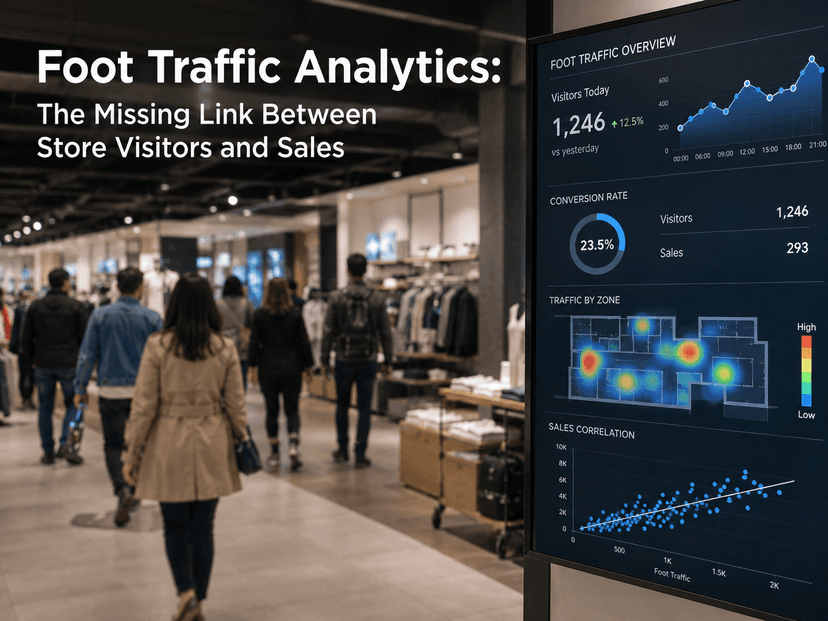
The Weekly Store Review Is Broken: Why Retail Teams Need Footfall, Conversion, and Uptime in One View
June 9, 2026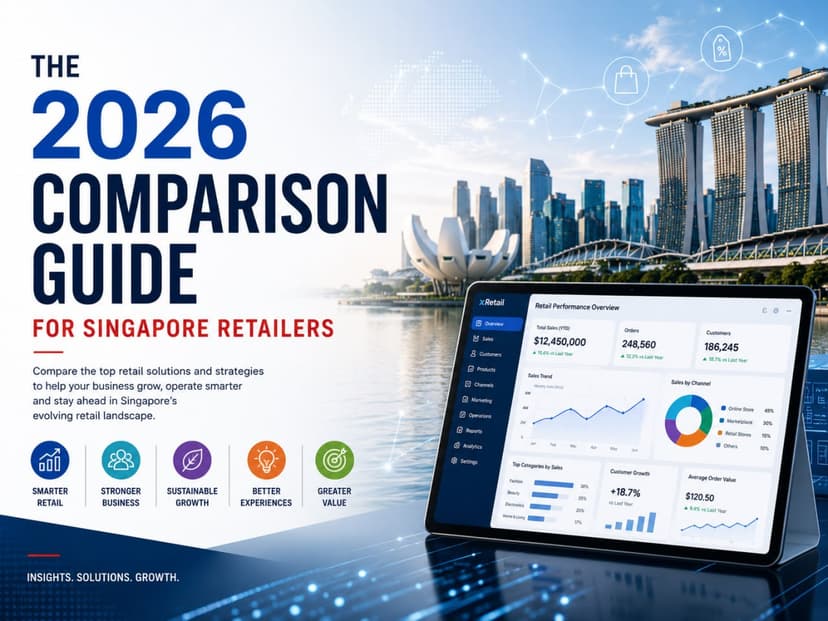
V-Count vs FootfallCam vs RetailNext vs xRetail: The 2026 Comparison Guide for Singapore Retailers
May 29, 2026
Singapore Retail IDP 2026: What the Refreshed Industry Digital Plan Means for Your Store
May 26, 2026Ready to Transform Your Retail Operations?
Discover how xRetail's AI-powered IoT management and shopper analytics platforms can help your business reduce costs, increase revenue, and stay ahead of the competition.
Contact Our Team