
Data to Action: How Singapore Retail Chains Turn Footfall into Insights
Singapore retailers are no longer asking whether digital tools matter. Most already use some mix of POS systems, inventory software, e-commerce platforms, loyalty tools, digital payment systems, cameras, and store sensors. The harder question is whether all that data is helping teams make better decisions inside the business.
Enterprise Singapore and IMDA launched the refreshed Retail Industry Digital Plan in May 2026 to guide more than 2,000 SME retailers. The factsheet notes that more than 75 percent of SME retailers have adopted entry-level digital solutions and 45 percent have adopted intermediate solutions, while adoption of more advanced solutions remains limited.
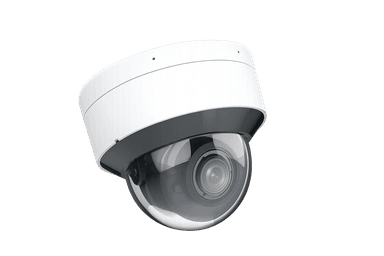
xTrack
AI shopper intelligence for footfall, heatmaps, demographics, and conversion
Learn More →The next stage of retail transformation is not just about collecting more data. It is about converting store signals into operational action.
For retail chains, footfall is one of the most valuable signals. It shows when customers arrive, where they move, how long they stay, which areas attract attention, and where the store loses potential sales. But footfall data becomes far more powerful when it is connected with sales, inventory, promotions, staffing, and store layout decisions.
The shift is from data-rich retail to decision-ready retail.
The data-to-action gap in retail
Many retail teams already have dashboards. The issue is that dashboards often sit apart from daily workflows.
A store manager may know that weekend traffic is high, but not whether staffing is aligned to peak browsing periods. A merchandising team may know that a promotion drove visits, but not whether those visitors entered the right zone or converted at the expected rate. An operations lead may see declining sales, but not whether the root cause is low traffic, poor conversion, stock availability, queue friction, or a layout issue.
This is the data-to-action gap. Information exists, but it is fragmented across systems, teams, and decision owners.
The Singapore Business Federation National Business Survey 2025 Digitalisation Supplement points to the same broader business challenge. It reports that four in five Singapore businesses are actively engaged in digital transformation, while high technology adoption cost, upskilling, and management expertise remain barriers.
For retailers, this means the next investment cannot be only another tool. It needs to create clearer decision loops.
Why footfall matters beyond counting visitors
Footfall analytics is sometimes treated as a store traffic counter. That is too narrow.
A modern shopper intelligence layer can help answer questions such as which hours generate the highest shopper volume, whether staffing matches peak periods, which store zones attract attention but fail to convert, and whether campaign periods increase qualified visits or only passing traffic.
When footfall is connected to POS data, the business can compare visits against transactions and estimate conversion patterns. When it is connected to inventory data, teams can identify whether high-interest zones are underperforming because of stock availability. When it is connected to campaign calendars, marketers can see whether a promotion drove meaningful in-store behaviour.
This is where the value of retail AI becomes practical. The goal is not to replace store judgment. The goal is to give store and operations teams clearer evidence for the decisions they already need to make.
From dashboard to decision loop
A useful retail analytics system should help teams move through four steps: detect what is happening, connect the signal to business context, translate the pattern into an action, and measure the effect.
Detection starts with store signals such as footfall, heatmaps, demographics, conversion, dwell patterns, and traffic peaks. Business context comes from POS performance, campaign activity, staffing schedules, inventory availability, and store layout changes.
The action may be adjusting staffing, changing a display, reallocating stock, reviewing a queue area, or testing a new promotion time. The measurement step checks whether the action improved traffic flow, conversion, customer experience, operational efficiency, or category performance.
This loop matters because retail decisions are time-sensitive. A weekly report may explain what happened after the opportunity has passed. Store teams need enough visibility to act while the issue is still relevant.
How edge AI supports in-store insight
In-store analytics often depends on cameras, sensors, and local network conditions. That makes latency, reliability, and privacy important.
Edge AI can support retail analytics by processing selected data closer to the store environment instead of sending every raw signal to a central system first. For use cases such as footfall patterns, heatmaps, and queue visibility, local processing can reduce delay and help teams respond faster.
Edge processing can also support a more privacy-conscious analytics design when it is used to process or anonymise data locally before insights are aggregated. Any public privacy claim should still be checked against the actual solution architecture and Singapore PDPA requirements.
For Singapore retail chains, the practical question is not whether analytics is cloud-based or edge-based. The question is which data needs real-time handling, which data can be aggregated, and which decisions need to happen at store level.
Five ways retail chains can turn footfall into action
First, footfall visibility can improve staffing alignment. Traffic peaks do not always match sales peaks, so operations leaders can compare shopper volume with staffing plans, queue patterns, and service pressure.
Second, retailers can understand conversion by store and time period. Two stores may have similar sales but very different traffic profiles. When footfall and POS data are reviewed together, leaders can identify where the issue is traffic generation, conversion, service capacity, merchandising, or stock availability.
Third, heatmaps and zone-level movement patterns can help test layout and merchandising decisions. They can show whether customers are entering priority areas, bypassing key displays, or clustering in ways that create friction.
Fourth, shopper intelligence can connect campaign performance to in-store behaviour. Marketing teams can see whether a campaign changed store visits, dwell time, zone engagement, or conversion.
Fifth, footfall analytics can spot operational friction before it becomes a sales issue. Queues, congestion, underused zones, and inconsistent traffic flow can all affect customer experience.
Where xRetail fits
xRetail helps retailers connect store activity with operational visibility.
xTrack provides AI shopper intelligence across footfall, heatmaps, demographics, and conversion. It is designed to help retail teams understand what is happening in-store and connect those patterns to practical decisions.
Vortex Cloud provides a unified operations dashboard for retail teams that need a clearer view across locations and workflows. Used together, shopper intelligence and operational visibility can help teams move from isolated metrics to a more connected decision loop.
For retail chains in Singapore and Southeast Asia, this matters because physical stores are no longer standalone channels. They are part of an omnichannel operating model where customer behaviour, inventory, fulfilment, marketing, and store experience all affect performance.
The next retail advantage is not more data
Retailers already have data. The advantage comes from knowing which signals matter, who owns the decision, how fast the team can act, and how the impact will be measured.
Footfall analytics is valuable because it brings the customer journey inside the store into view. But the real business value appears when footfall is connected to sales, inventory, staffing, campaigns, and store operations.
Singapore retail chains do not need more disconnected dashboards. They need decision loops that turn data into action.
FAQ
Q: What is footfall analytics in retail?
A: Footfall analytics measures how many shoppers enter or move through a store. More advanced shopper intelligence can also analyse traffic patterns, heatmaps, demographics, dwell behaviour, and conversion when connected with other business data.
Q: Why is footfall data important for Singapore retail chains?
A: Footfall data helps retailers understand store traffic, staffing needs, layout effectiveness, campaign impact, and conversion patterns. It is especially useful for chains that need consistent visibility across multiple locations.
Q: How does footfall analytics connect with POS data?
A: Footfall data shows shopper volume, while POS data shows transactions. When reviewed together, retailers can better understand conversion patterns and identify whether performance issues are caused by low traffic, low conversion, stock availability, service pressure, or merchandising.
Q: What is edge AI in retail analytics?
A: Edge AI processes selected data closer to the store environment, such as on a local device or gateway, instead of relying only on central processing. This can support faster response times and more privacy-conscious analytics design, depending on the solution architecture.
Q: Does xRetail provide shopper intelligence?
A: Yes. xTrack is xRetail shopper intelligence solution for footfall, heatmaps, demographics, and conversion. Vortex Cloud provides a unified operations dashboard for retail visibility.
Book a 30-minute store data audit to identify where POS, footfall, inventory, and customer data can be turned into one operational decision loop.
Sources
Related Articles
Continue exploring insights from xRetail
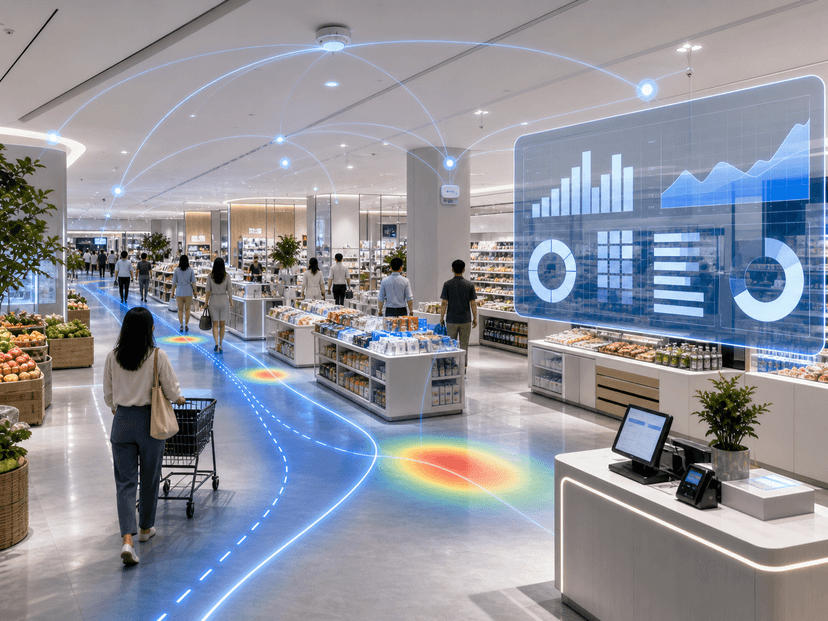
Why Smart Stores Need More Than Analytics: The Case for a Connected Retail Operations Stack
July 3, 2026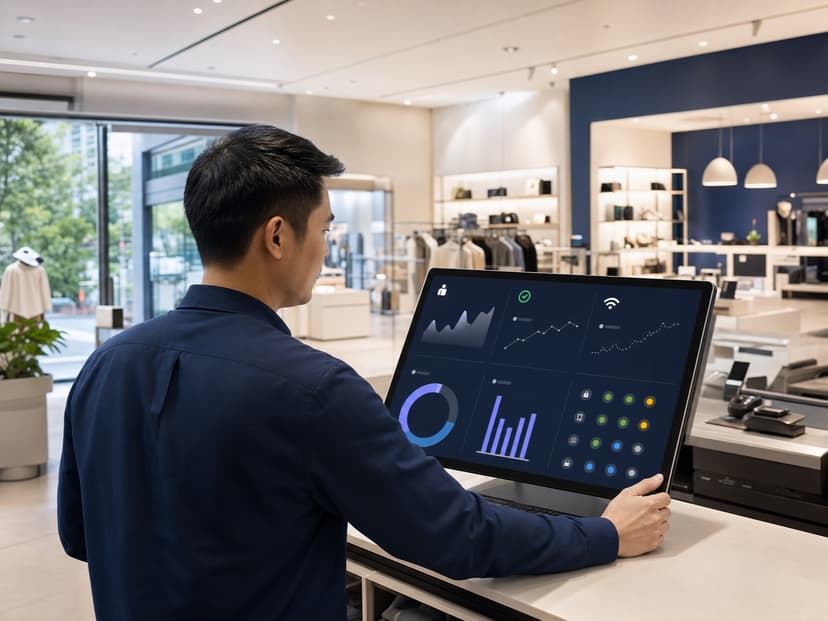
Operational Data Integration Is the Missing Layer in Retail AI Adoption
July 3, 2026
Real-Time Footfall Analytics for Singapore Retail Chains: Turn Visitor Data into Revenue
July 3, 2026Ready to Transform Your Retail Operations?
Discover how xRetail\' AI-powered IoT management and shopper analytics platforms can help your business reduce costs, increase revenue, and stay ahead of the competition.
Contact Our Team