
Real-Time Footfall Analytics for Singapore Retail Chains: Turn Visitor Data into Revenue
The global footfall analytics market is projected to grow from USD 1.8 billion in 2025 to USD 4.1 billion by 2034, according to Mordor Intelligence, with Asia-Pacific expanding at the fastest regional CAGR of 11.7%. For Singapore retail chains, the investment case is clear: real-time visitor data gives managers the ability to optimise staffing, store layout, promotions, and conversion rates with precision that was previously unavailable.
This article examines what real-time footfall analytics delivers, why Singapore retailers are adopting it, and how edge AI processing solves the privacy and compliance challenge under Singapore's Personal Data Protection Act (PDPA).
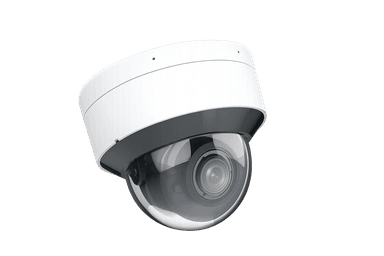
xTrack
AI-powered shopper intelligence for retail chains
Learn More →Three structural tailwinds are driving footfall analytics adoption across Asia-Pacific. First, post-pandemic retail recovery has brought visitors back to physical stores, but consumer behaviour has shifted. Shoppers expect personalised, friction-free experiences, and they will leave if a store is understaffed, poorly laid out, or fails to engage them within the first 30 seconds. Second, the cost of sensor hardware and edge AI chips has fallen sharply, making enterprise-grade analytics affordable for mid-sized chains. Third, landlords and property managers are demanding data. In Singapore, mall operators increasingly require tenants to share footfall and conversion metrics as part of lease negotiations.
The Problem with POS Data Alone
Point-of-sale data is a lagging indicator. It tells you what sold, but it cannot tell you how many people walked past your store without entering, which displays or zones generated the most dwell time, whether your conversion rate is rising or falling hour by hour, or if staffing levels match actual visitor traffic patterns.
A retailer running on POS data alone is navigating in the rear-view mirror. By the time a dip in sales appears on the daily report, the opportunity to adjust staffing, reposition a promotion, or fix a bottleneck has already passed.
Singapore retail sales grew 5.4% year on year in April 2026, driven by tourism recovery and strong domestic consumption. Chains that understand their real-time visitor traffic can capture more than their fair share of that growth.
What Real-Time Footfall Analytics Measures
Modern footfall analytics platforms go well beyond a simple door counter. The key metrics include total visitors entering the store, passersby foot traffic past the storefront, conversion rate (visitors divided by passersby), dwell time in specific zones, and heatmaps showing spatial distribution of visitor density across the floor.
A chain with 20 locations may discover that its flagship outlet converts at 18% while a suburban outlet converts at just 7%. That single data point signals that layout, signage, or staffing needs attention at the underperforming location. Without footfall data, that gap remains invisible until quarterly sales reports confirm the obvious weeks later.
Singapore's High-Rent Imperative
Singapore retail rents remain among the highest in Asia. Orchard Road prime space trades at approximately SGD 23.60 per square foot per month. At these levels, every square metre of floor space carries a significant fixed cost. A department that underperforms due to poor layout or understaffing directly erodes margin.
Real-time footfall analytics answers specific questions: Is the back section of the store pulling enough traffic to justify the square footage allocated to it? Does the current staff roster match the hourly visitor curve? Which window display configuration generates the highest conversion rate from passersby?
Consider a regional supermarket chain with 15 locations. By installing xTrack sensors at each entrance and analysing dwell-time heatmaps across aisles, the operations team identifies that two end-cap displays are drawing far less attention than expected. Reslotting high-margin impulse items onto the higher-traffic end caps recovers an estimated 8% in category revenue within six weeks.
Edge AI and Privacy by Design
The most common concern retailers raise about video-based analytics is privacy. Singapore's PDPA imposes strict rules on the collection, use, and disclosure of personal data, with penalties of up to SGD 1 million or 10% of annual turnover for serious breaches.
This is where edge AI processing changes the game. xTrack uses on-device inference running on the xPilot IoT gateway inside each store. The computer vision model processes raw video frames in real time, extracting only anonymised aggregate data and immediately discarding the pixel data. No video stream ever leaves the store. No recognisable images are stored or forwarded.
The retailer receives rich, real-time analytics without ever being in possession of personal data as defined under the PDPA. This aligns with the PDPC's guidance on privacy-by-design and removes the need for extensive data protection impact assessments on the video processing pipeline.
From Data to Decision
Footfall analytics becomes valuable when it changes what happens on the floor. Staffing optimisation: when traffic spikes above a configurable threshold, the store manager receives a mobile alert. Promotion timing: historical footfall patterns reveal the highest-traffic windows of the week for scheduling sampling campaigns. Layout iteration: after a fixture rearrangement, a 7-day comparison of zone-level heatmaps shows whether the new layout increases dwell in high-margin categories.
xTrack is purpose-built for these use cases. It does not attempt to track inventory, predict demand, or set dynamic prices. Its role is to tell the retailer exactly what is happening on the sales floor, right now.
Getting Started
For retail chains evaluating footfall analytics, the most practical starting point is a pilot across three to five locations. xTrack cameras can be installed in under an hour per store, and meaningful data patterns emerge within the first week of operation. The Vortex Cloud dashboard populates with live data within hours of connecting the first devices.
To learn more about how real-time footfall analytics helps Singapore retail chains optimise store performance, book a pilot or visit the xTrack product page.
Related Articles
Continue exploring insights from xRetail
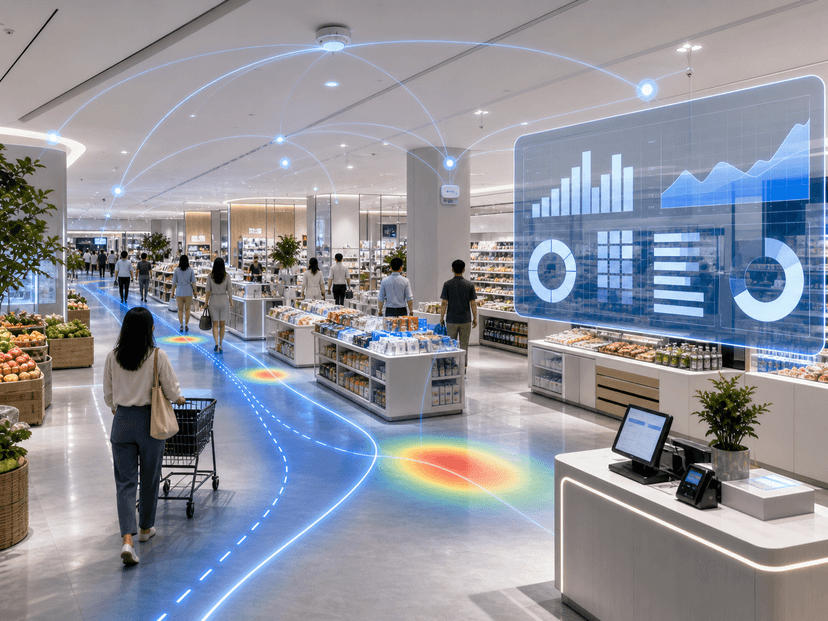
Why Smart Stores Need More Than Analytics: The Case for a Connected Retail Operations Stack
July 3, 2026
Data to Action: How Singapore Retail Chains Turn Footfall into Insights
July 3, 2026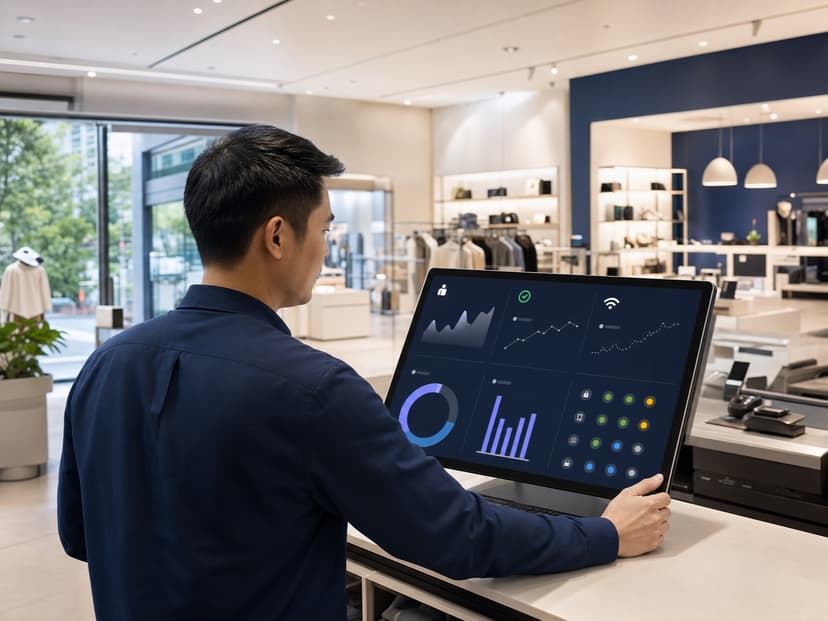
Operational Data Integration Is the Missing Layer in Retail AI Adoption
July 3, 2026Ready to Transform Your Retail Operations?
Discover how xRetail\' AI-powered IoT management and shopper analytics platforms can help your business reduce costs, increase revenue, and stay ahead of the competition.
Contact Our Team